The Eighties; a period defined by the birth of the blockbuster, a wave of colourful and creative developments in pop music, and the ongoing fear of global annihilation from thermonuclear warfare. Thus it was that national TV services over the globe, starting with The Day After in 1983, decided they could crank out Premium Water Cooler TV by showing everyone how nukes could really mess up your day in one landed in your backyard. So obviously the BBC had to have a crack at it, in an incredibly British way…

Spoiler Warning – a lot of things get wrecked.
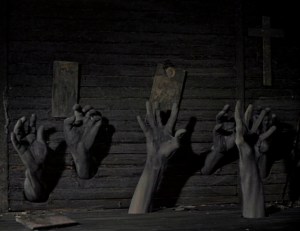
 “When a nun in a remote convent claims immaculate conception, the Vatican sends a team of priests to investigate, concerned about an ancient prophecy that a woman will give birth to twin boys: one the Messiah, the other the Antichrist.” Which is a perfect setup for a bit of religious-themed horror, the only thing you need to add is a decent cast and a spooky church.
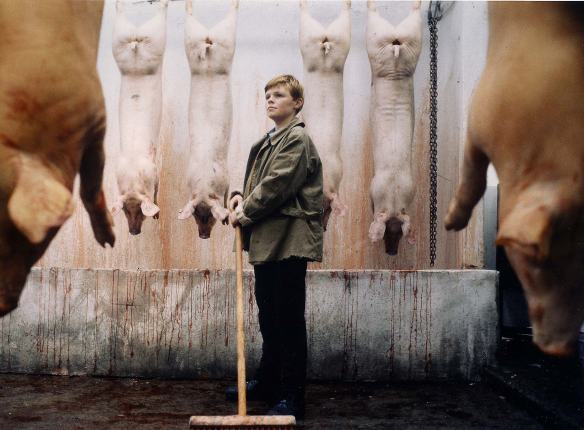 The tagline for this is “The antisocial son of an alcoholic father and a bipolar mother grows up in 1960s Ireland”, so forgive me if that and the colour grade on the promo photos meant I went in thinking this would be some overly earnest misery-porn. What we have here is some high-quality bait-and-switch weirdness that simply has to be explored. And, yes, a bit of 60s Ireland misery-porn.
 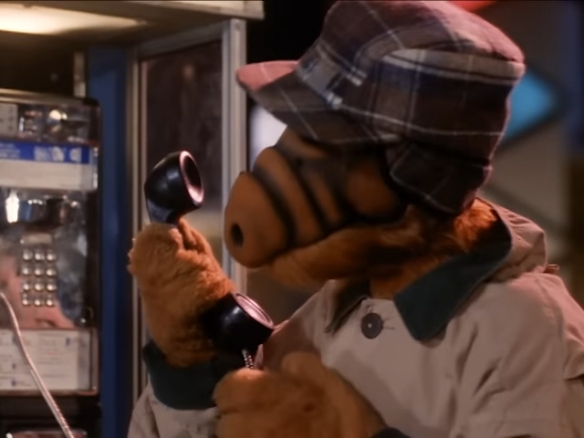 For those who don’t know it, ALF was a mid-80s sitcom about and Alien Life Form living with a suburban middle-class family in a generically affluent part of mid-80s California. Other than ALF’s propensity for eating cats, it was mild mannered family entertainment hinging on culture shock and mild ill-mannered behaviour. As a series it touched on nothing of any real importance, other than being based on a flagrant disregard for immigration laws, and it go through it’s 102 episodes on the principle that anyone will laugh at a 3-foot-tall fury humanoid with a Connecticut accent. So whilst I knew the series ended on ALF being captured by the US Air Force I wasn’t expecting the movie to be an unrelenting nightmare.

 There is always a joy to watching Lee Marvin act, as you never know what he’s going to do next and you have the sense that him punching you is always a viable option. So, it’s rather fitting that his third to last film has a script that feels the same way. It’s was originally based Jean Herman’s novel of the same name, and then went through three other screenwriters until director Yves Boisset got his hands on it. Needless to say, the director behind the criminally underappreciated sci-fi death-TV masterwork that is Le Prix Du Danger insured that it had social commentary, blunt violence, and an uneasy touch of surrealism.
  Trash or Treasure